
Hey future nurse, if you’re in Adult Health Nursing II and the burn unit makes your head spin, these notes are your lifeline. This page covers everything from skin layers to reconstructive surgery, so you can walk into exams and clinicals with confidence. This is a complete Nursing Management of Burns and Reconstructive Surgery notes resource tailored for your syllabus. No need to juggle multiple books; all key points are packed here for quick revision.
What’s covered?
| Subtopic | Key Focus |
|---|---|
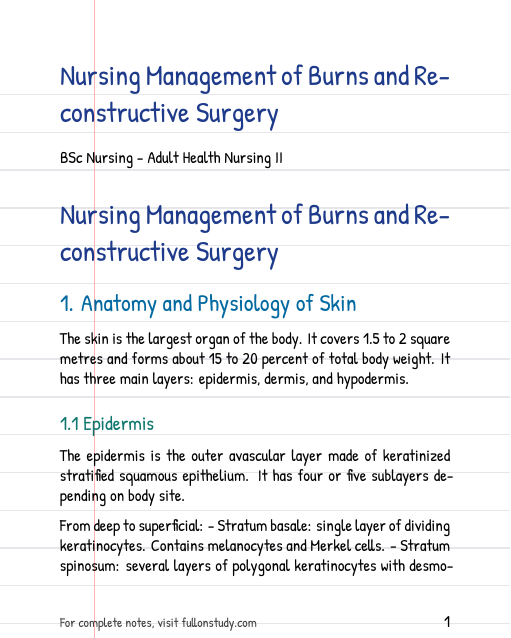
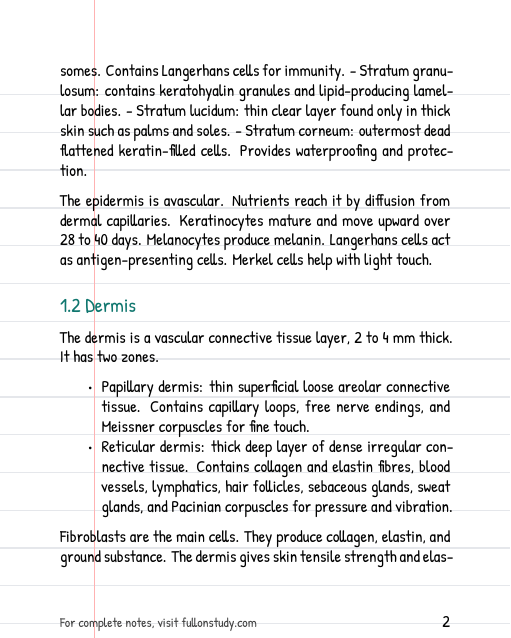
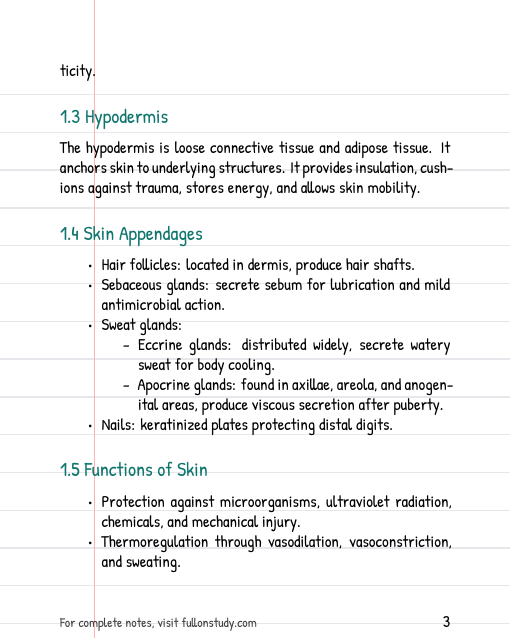
| Skin Anatomy and Physiology | Epidermis, dermis, hypodermis, and the cells responsible for protection and sensation |
| Burns Pathophysiology and Classification | Degrees of burn depth, total body surface area, and systemic response |
| Nursing Management of Burns | Fluid resuscitation, wound care, infection prevention, pain management, and nutrition |
| Reconstructive Surgery | Skin grafts, flaps, and post-operative nursing care to restore function and appearance |
Features
- Simple explanation that feels like a friend teaching you, not a textbook.
- Full syllabus alignment for BSc Nursing Adult Health Nursing II notes.
- Free PDF download of Nursing Management of Burns and Reconstructive Surgery pdf for offline study.
- Step-by-step breakdowns of burn assessment and wound care.
- Covers both theory and practical nursing responsibilities in burn units.
FAQs
What are the three layers of skin and why do they matter in burns?
Epidermis, dermis, and hypodermis. The depth of a burn depends on which layers are damaged, and that directly influences wound healing and treatment choices.
How do you classify burn severity?
By depth (superficial, partial thickness, full thickness) and total body surface area, often using the rule of nines to estimate fluid needs.
What is the first nursing priority for a major burn patient?
Secure the airway, ensure breathing and circulation, then start fluid resuscitation with lactated Ringer’s using the Parkland formula.
Why is fluid resuscitation critical in burns?
Burns increase capillary permeability, causing fluid to shift out of vessels. Early IV fluids prevent hypovolemic shock and acute kidney injury.
What is the role of skin grafts in reconstructive surgery?
Grafts replace damaged skin, reduce infection, and improve both function and cosmetic appearance after deep burns. Nursing care includes monitoring graft take and preventing shear.
How do you prevent infection in burn wounds?
Strict aseptic technique, topical antimicrobials like silver sulfadiazine, early excision, and adequate nutrition support the immune response.
- 📄 Format PDF Document
- 🔓 Access Free
- 💾 File Size 0.12 MB
- 📖 Pages 28
- ✅ Reviewed By Team Fullonstudy
- 🗓️ Last Updated September 21, 2026