
Hey BSc Nursing students, if the immune system feels like a maze, this is your map. In Adult Health Nursing II, understanding the nursing management of immunological disorders is not just about memorising cells; it is about knowing how to respond when the immune system overreacts or fails.
What’s covered?
| Subtopic | What you will learn |
|---|---|
| Overview of immunity | Innate vs adaptive immunity and how the body recognizes foreign antigens |
| Primary lymphoid organs | Bone marrow and thymus roles in lymphocyte production and maturation |
| Secondary lymphoid organs | Lymph nodes, spleen, tonsils, and MALT in filtering and immune response |
| Cellular components | Neutrophils, macrophages, dendritic cells, NK cells, B and T lymphocytes, plasma and memory cells |
| Humoral components | Complement system, cytokines, and antibodies in immune defense |
Features
- Simple explanation of every concept, from innate immunity to antibody function.
- Full syllabus alignment for BSc Nursing Adult Health Nursing II.
- Free PDF download of the complete Nursing Management of Immunological Disorders pdf notes.
- Step-by-step breakdowns of immune assessment and nursing interventions.
FAQs
What are the main components of the immune system covered in this topic?
The main components include primary and secondary lymphoid organs, cellular components like lymphocytes and macrophages, and humoral components such as complement proteins and cytokines.
How do nurses assess a patient with a suspected immunological disorder?
Nurses take a detailed history of infections, allergies, and autoimmune symptoms, perform a physical exam focusing on lymph nodes and skin, and review lab results like complete blood count and immunoglobulin levels.
What is the difference between innate and adaptive immunity in simple terms?
Innate immunity is the rapid, nonspecific defense you are born with. Adaptive immunity develops after exposure and targets specific antigens with memory.
Which nursing diagnoses are common for patients with immune dysfunction?
Common diagnoses include risk for infection, impaired skin integrity, fatigue, and ineffective protection related to altered immune response.
How can I download a free PDF of these Nursing Management of Immunological Disorders notes?
You can find a free pdf download link on many educational platforms offering BSc Nursing Adult Health Nursing II notes. Always use reliable sources that align with your syllabus.
What nursing interventions help manage anaphylaxis or severe hypersensitivity?
Immediate interventions include stopping the offending agent, administering epinephrine, maintaining airway, and monitoring vital signs closely.
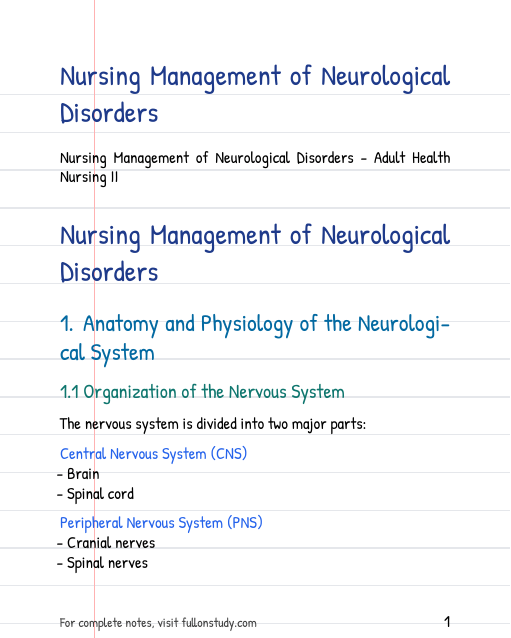
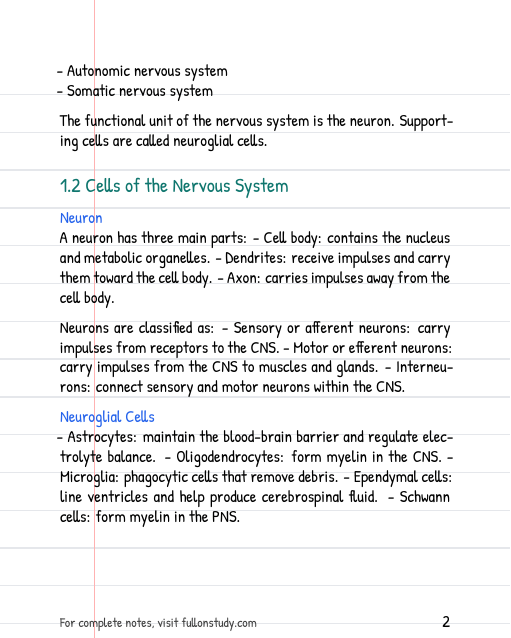
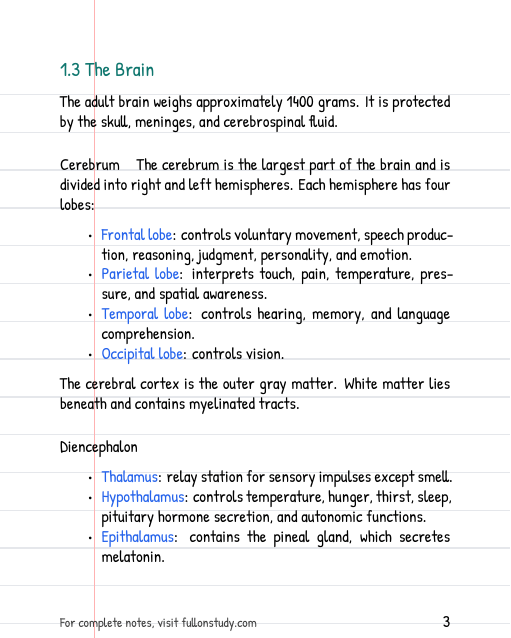
- 📄 Format PDF Document
- 🔓 Access Free
- 💾 File Size 0.11 MB
- 📖 Pages 29
- ✅ Reviewed By Team Fullonstudy
- 🗓️ Last Updated September 21, 2026