
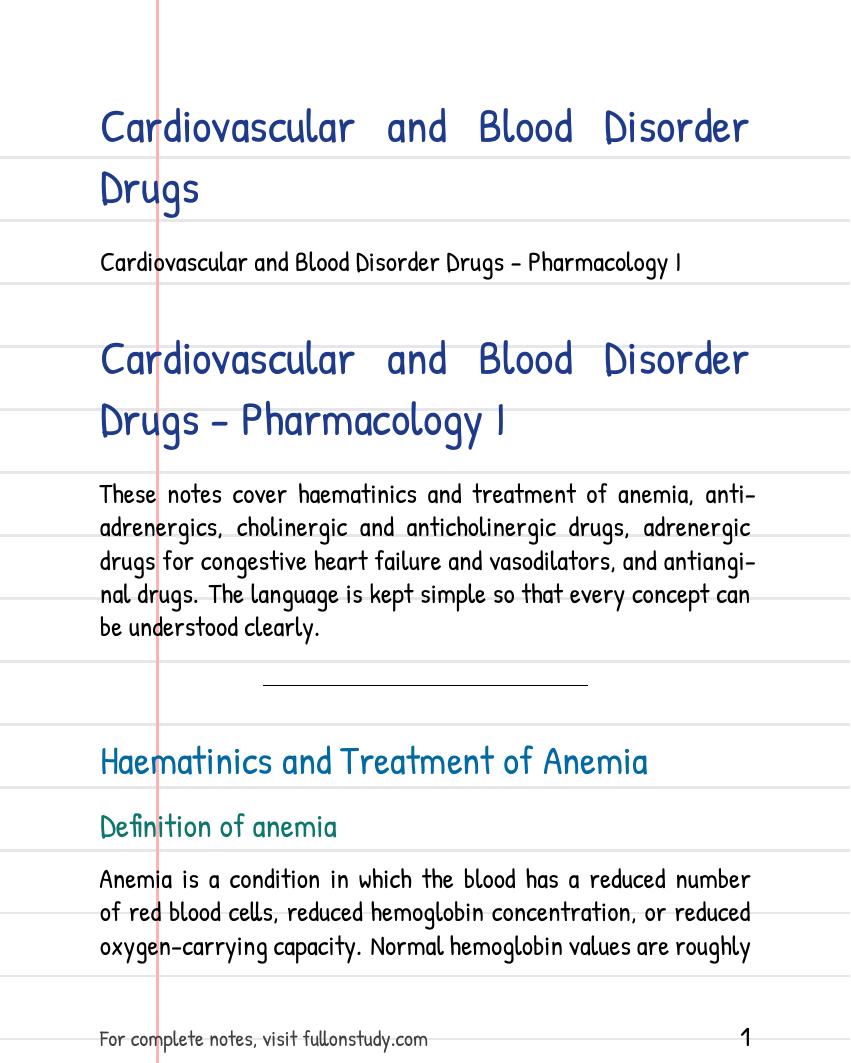
If Cardiovascular and Blood Disorder Drugs feels like a mountain of drug names in your Pharmacology I syllabus, take a breath.
These Cardiovascular and Blood Disorder Drugs notes for BSc Nursing Pharmacology I break down every major drug class from haematinics to antianginals in plain, exam-friendly language.
You can use them for quick revision or deep study without getting lost in jargon.
What’s covered?
| Subtopic | Key Focus |
|---|---|
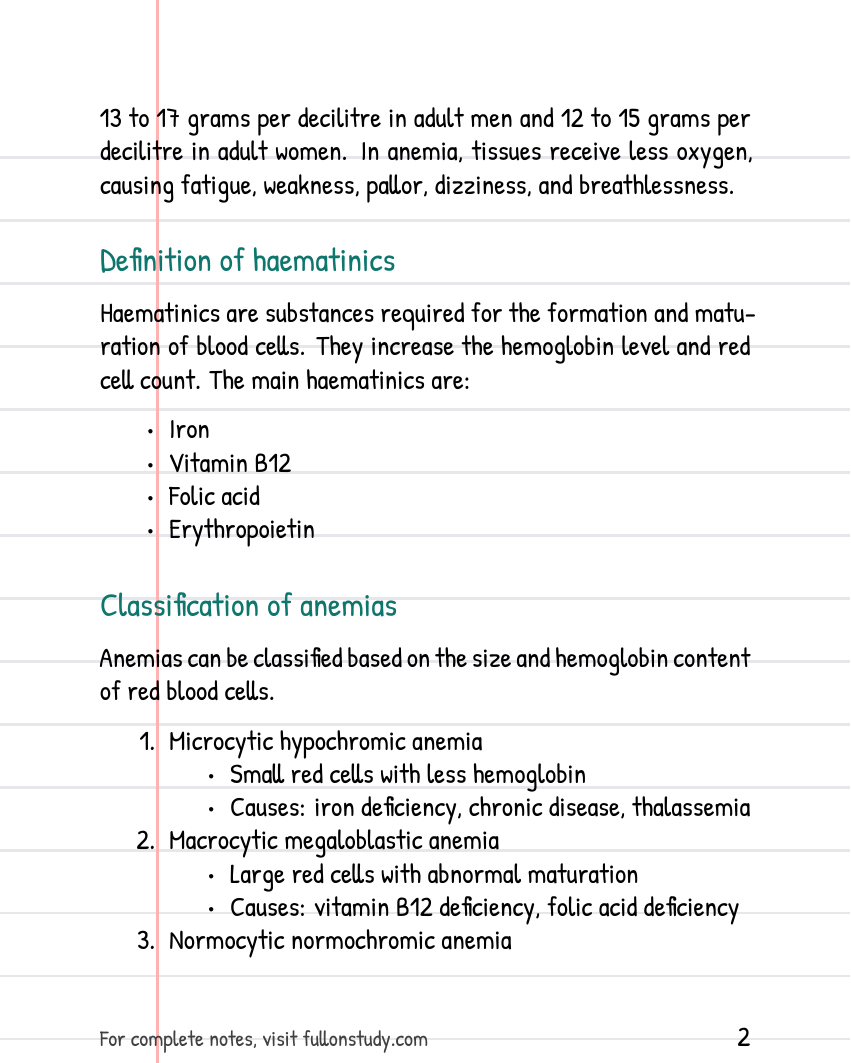
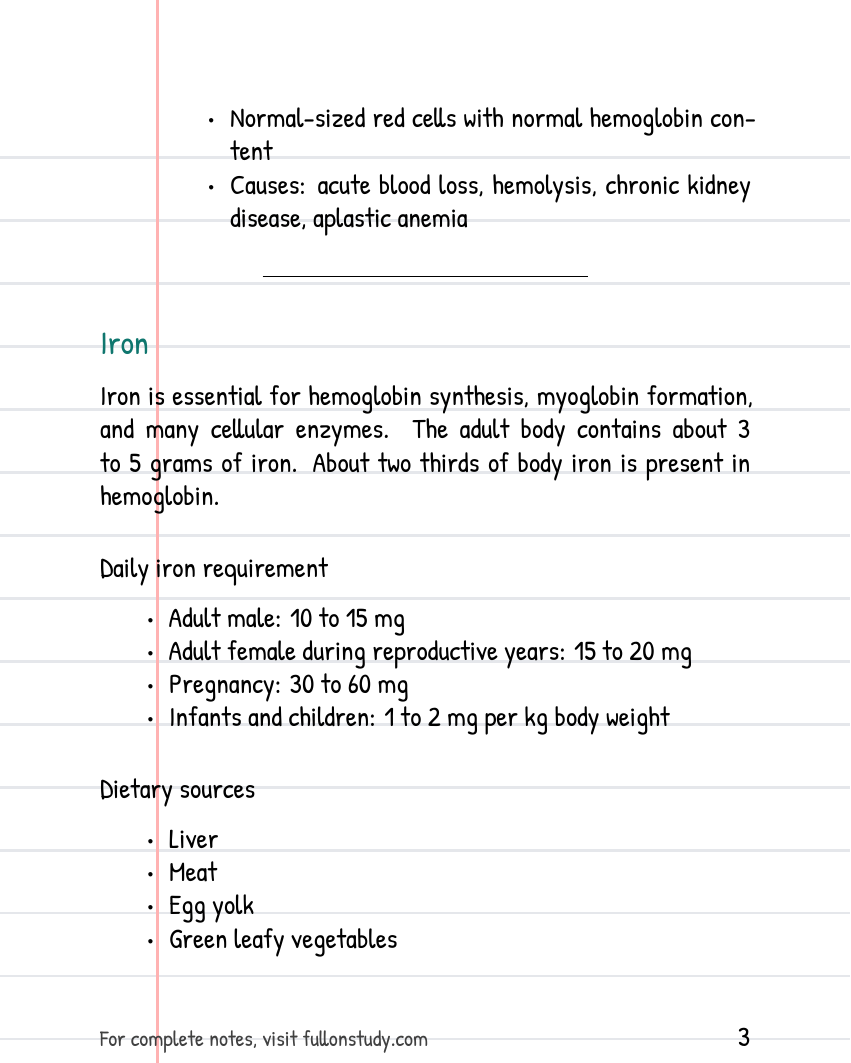
| Haematinics and Treatment of Anemia | Iron, vitamin B12, folic acid, erythropoietin, anemia classification |
| Antiadrenergics | Alpha and beta blockers used in cardiovascular conditions |
| Cholinergic and Anticholinergic Drugs | Effects on heart rate, blood pressure, and smooth muscle |
| Adrenergic Drugs for CHF and Vasodilators | Inotropes, vasodilators, and heart failure management |
| Antianginal Drugs | Nitrates, beta blockers, calcium channel blockers for chest pain |
Features
- Simple explanation of every drug class, mechanism, and clinical use
- Full syllabus alignment for BSc Nursing Pharmacology I
- Free PDF download for offline revision
- Step-by-step breakdowns of complex cardiovascular drug actions
FAQs
1. What are haematinics and why are they used in anemia?
Haematinics are substances like iron, vitamin B12, and folic acid that help form red blood cells and raise hemoglobin levels. They are the first-line treatment for nutritional anemias.
2. How do antiadrenergic drugs work in cardiovascular disorders?
Antiadrenergic drugs block alpha or beta receptors, reducing heart rate, blood pressure, and cardiac workload. They are used in hypertension, arrhythmias, and angina.
3. What is the main difference between cholinergic and anticholinergic drugs?
Cholinergic drugs stimulate the parasympathetic system, slowing heart rate and lowering blood pressure. Anticholinergic drugs do the opposite, increasing heart rate and relaxing smooth muscle.
4. Which adrenergic drugs are commonly used for congestive heart failure?
Adrenergic drugs like dobutamine and dopamine act on beta-1 receptors to increase cardiac contractility. They are used short-term in acute heart failure.
5. How do antianginal drugs relieve chest pain?
Antianginal drugs such as nitrates, beta blockers, and calcium channel blockers improve oxygen supply to the heart or reduce oxygen demand, easing angina pain.
6. Can I get a Cardiovascular and Blood Disorder Drugs pdf for free?
Yes, you can download the Cardiovascular and Blood Disorder Drugs pdf as a free PDF to study offline anytime.
- 📄 Format PDF Document
- 🔓 Access Free
- 💾 File Size 0.36 MB
- 📖 Pages 116
- ✅ Reviewed By Team Fullonstudy
- 🗓️ Last Updated August 19, 2026